What Changes When a Pet’s Care Becomes Focused on Comfort
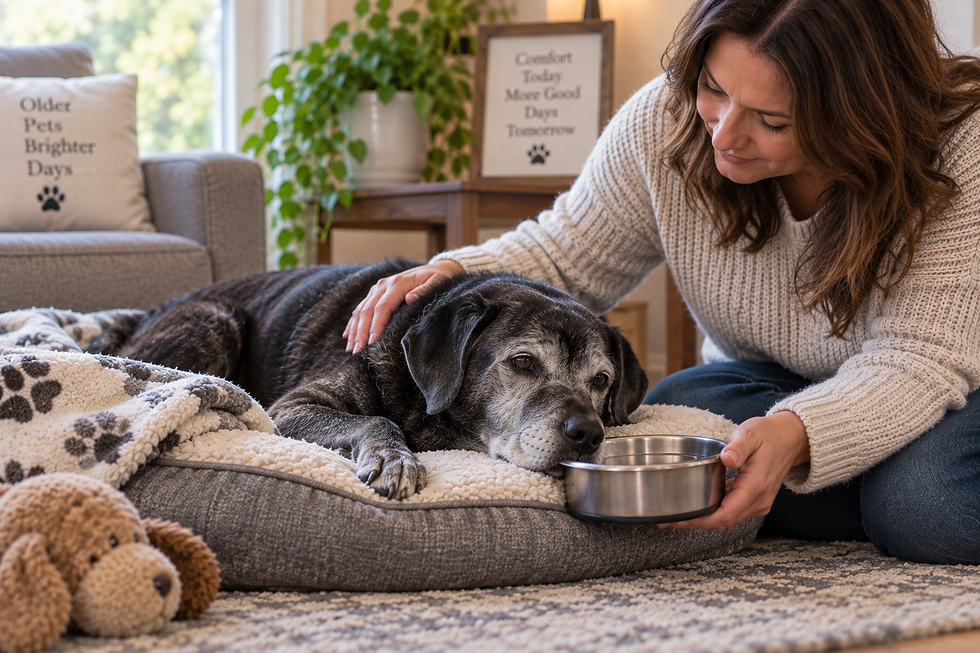
Caring for an aging or seriously ill pet often involves gradual changes rather than one clear turning point. Treatments and routines that were once focused on managing individual health problems may eventually become part of a broader question: what helps this pet remain comfortable and engaged with daily life?
Comfort-focused care does not mean that veterinary care has stopped or that a particular end-of-life decision has already been made.
Instead, it places greater attention on how the pet feels from day to day. Rest, appetite, mobility, interaction, and the ability to enjoy familiar activities can all help families understand how their pet's needs are changing.
Daily Comfort Becomes an Important Measure
When pets are younger and generally healthy, owners may think about health in terms of specific concerns. An ear infection is treated, an injury heals, or medication manages a particular condition.
Senior pet care can become more complicated because several changes may occur at the same time. An older animal might have arthritis, reduced vision, a chronic medical condition, and less stamina. Treating one concern does not necessarily explain how the pet is experiencing the day as a whole.
Comfort care for pets considers that broader experience.
For example, an owner might notice whether a dog can settle into a comfortable sleeping position or whether a cat can still reach its preferred resting area. Restful sleep can matter because an animal that repeatedly changes position, wakes frequently, or appears unable to settle may be experiencing discomfort that deserves veterinary attention.
The objective is not to interpret every small change as a serious warning sign. Instead, families can observe patterns and report meaningful changes to their veterinarian.
Eating, Drinking and Mobility Can Reveal Changing Needs
Appetite is often one of the most noticeable changes when a pet is unwell. Some animals become less interested in food, while others continue eating but need changes in how or where meals are provided.
Owners may find that raising or repositioning bowls, providing easier access to water, or serving food in a quiet location makes daily routines more manageable. Persistent changes in appetite or drinking habits, however, should be discussed with a veterinarian because they can have many medical causes.
Mobility deserves similar attention. Caring for an aging pet may involve providing traction on slippery floors, using ramps, reducing stair use, or moving a bed closer to where the family spends time.
What matters is not simply whether the animal can still walk. Owners can also consider how much effort movement requires and how the pet behaves afterward.
A dog that can make it outside but needs a long recovery period may be having a different experience from one that walks slowly yet remains comfortable. Looking at these details provides more useful information than treating mobility as a simple yes-or-no ability.
Familiar Activities Can Help Owners See the Larger Pattern
Pet quality of life includes more than physical movement and appetite. The activities an animal values can provide important context as health changes.
A senior dog may no longer manage a long walk but still become interested when taken outside to sniff around the yard. A cat that has stopped jumping onto a high windowsill may remain content watching outdoors from a lower resting place. An older pet may spend more time sleeping while still seeking affection when family members return home.
Activities can be adapted as physical abilities change. Shorter walks, easier access to favourite rooms, gentle interaction, and additional rest may allow pets to continue participating without unnecessary strain.
Owners should pay attention when an animal consistently loses interest in activities and interactions that previously mattered to it. That change does not provide a diagnosis or automatically indicate that euthanasia is appropriate. It is information that can be shared with a veterinarian alongside other changes in health and behaviour.
Look for Patterns Across Good and Difficult Days
Individual days can be misleading when evaluating an aging or seriously ill pet. A difficult morning may be followed by a comfortable afternoon, while a pet with a progressive condition may have periods when it seems more like its usual self.
For this reason, patterns over time can be particularly useful.
Families may informally keep track of appetite, mobility, sleep, toileting, interaction, and enjoyment of familiar activities. The purpose is not to create a rigid score that determines what happens next. It is to make gradual changes easier to recognize.
This perspective can also help owners describe what they are seeing when speaking with a veterinarian. Instead of simply saying that a pet seems worse, they may be able to explain that the animal now needs assistance standing several times each day or has stopped showing interest in an activity it previously enjoyed.
The balance between good and difficult days may also change. When difficult periods become longer or more frequent, veterinary guidance can help families understand whether additional comfort measures or changes in care should be considered.
Comfort-Focused Care Continues to Evolve
The needs of an aging pet rarely remain fixed. An adjustment that works well today may need to change as mobility, appetite, energy, or medical conditions progress.
End-of-life care for pets can therefore involve regular reassessment. Medication may need veterinary review. Sleeping arrangements may change. Food and water may need to be brought closer. Assistance with toileting or movement may become necessary.
Family interaction can change as well. Some pets increasingly seek companionship, while others prefer longer periods of quiet rest.
Owners who know their animal's normal habits can watch for these shifts without assuming that every behavioural change has the same meaning.
Veterinary guidance remains important throughout this process. Changes that appear to be part of aging can sometimes reflect pain or medical problems that may be treatable or manageable.
When Maintaining Comfort Becomes More Difficult
Comfort-focused care is ultimately about responding to the pet that is present now rather than expecting the animal to maintain routines that worked earlier in life.
For a time, practical adjustments and veterinary treatment may allow a senior or seriously ill pet to remain comfortable and engaged. As health declines, however, families may find that maintaining that comfort becomes increasingly difficult despite those efforts.
That stage can lead to broader conversations with a veterinarian about prognosis, quality of life, and available end-of-life options. These discussions do not need to depend on one symptom or one difficult day. They can consider the overall pattern of the animal's health and daily experience.
Paying attention to comfort along the way gives families useful information for those conversations. It also keeps the immediate focus on practical questions: whether the pet can rest comfortably, meet basic daily needs, interact in ways it still enjoys, and move through its routine without excessive difficulty.
As those answers change, the approach to care can change with them.


Comments